
"Angolan coffee"
100 article(s) found

What are the common varieties of coffee in Angola? How should I drink Angolan coffee?
Professional coffee knowledge exchange more information about coffee beans Please follow the coffee workshop (Wechat official account cafe_style) Coffee is one of the largest agricultural products in Angola. It was not until 1973 that Angola was the third largest coffee producer controlled by Portugal. During the Eurico de Azevedo Noronha presidency of the Institute of Angola, Angolan Coffee went in 1973.

A brief introduction to the flavor, taste and aroma characteristics of Angolan boutique coffee beans that can hardly be bought.
Angola's ambassador to the United States, Agostinho Tavares, told Jornal de Angola on Monday in New York that the first batch of coffee exported from Angola to the United States (a total of 11 tons) had arrived in the country. Tavares also said that the coffee is the first batch of agricultural products exported to the United States after the entry into force of the African growth and opportunity Act (AGOA). AGOA stipulates that all kinds of products from sub-Saharan African countries can be used.
African specialty coffee Angola boutique coffee beans
Angolan coffee Angola Angola has been growing coffee for more than 100 years, and its output has been the first in Africa until 1960, reaching 225000 tons in 1979, ranking second in Africa and fourth in the world. The output in 1992 was 5000 tons. Sisal production is second only to coffee, and the level of per unit yield is higher. In 1986, the output reached 20,000 tons, sisal ranked second in Africa both in terms of output and export volume.

The main producing area of Angolan coffee the characteristics of Angolan coffee
Professional coffee knowledge exchange more coffee bean information please follow Coffee Workshop (Wechat official account cafe_style) Angola (Angola) Angola is one of the fourth largest coffee producers in the world. Between 1975 and 1976, the country produced 1 million bags of coffee a year, most of which were exported. However, thirty years of civil war has caused great damage to the people and economy of this country.

A brief introduction to the history and culture of the origin and development of high-quality Angolan boutique coffee beans
Flavor: not available in the West in recent years, but used to be known for its high acidity recommended roasting methods: medium to deep roasting ★: general Angolan coffee market: in the mid-1970s, 98% of the coffee exported annually by Angola (Angola) was roasting (probably the best in Africa), but total production declined in 1990. Most of Angola
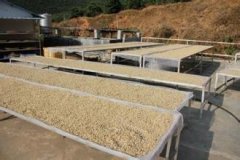
A brief introduction to the Market Price of High acidity Fine Coffee Bean varieties in Angola
Angolan Agriculture Minister Afonso Pedro Kanga revealed that Angolan coffee production this year is expected to double that of last year to 12000 tons. In 2008, in order to regain its status as a major coffee producer in the world, the Angolan government introduced a plan to receive a preferential micro-loan of US $5000 per farmer to grow coffee. Origin of coffee in Angola: 98% of coffee in Angola (Angola) is Luo

Flavor description of Angolan coffee beans introduction of fine coffee with grinding degree treatment
Angola coffee beans are located in southwestern Africa. Angola used to be a major coffee producer in the world, but years of war has seriously damaged the country's coffee production. According to relevant data, before and after the outbreak of the civil war in Angola in the 1970s, Angola's coffee production ranked fourth in the world. In 1974, Angola exported 224000 tons of coffee. Income from coffee production in Angola in 1977

What is the flavor of Angolan coffee, the fourth largest coffee industry? Flavor of Angola Robusta Coffee
For more information on coffee beans, please follow Coffee Workshop (Wechat official account cafe_style) Angolan Coffee, which is the fourth largest coffee industry in the world, but produces only a small amount of Arabica coffee, which is of high quality, unfortunately, the annual output is extremely unstable due to its political instability. Angola Robusta Coffee Angola

A brief introduction to the cultivation of boutique coffee beans in Angola, a former coffee country, geographical location, climate and altitude
Angolan Agriculture Minister Afonso Pedro Kanga revealed that Angolan coffee production this year is expected to double that of last year to 12000 tons. In 2008, in order to regain its status as a major coffee producer in the world, the Angolan government introduced a plan to receive a preferential micro-loan of US $5000 per farmer to grow coffee. Angola used to be one of the largest coffee producers in the world, producing coffee in 1974

A brief introduction to the history and culture of the origin and development of fine coffee beans in Angola, once a big coffee country.
The Angolan government is currently working on a development plan to revitalize coffee production in order to restore coffee production across the country to the level of the 1970s. Manuel Dias, director of the Angolan Coffee Agency, recently told the local press that the Angolan government's plan mainly includes expanding growing areas, increasing investment, working hard to support coffee farmers and promoting fine varieties. Uige, Bengo

Flavor description of Angolan coffee beans in southwestern Africa introduction to the price producing areas of varieties
Angola coffee beans are located in southwestern Africa. Angola used to be a major coffee producer in the world, but years of war has seriously damaged the country's coffee production. According to relevant data, before and after the outbreak of the civil war in Angola in the 1970s, Angola's coffee production ranked fourth in the world. In 1974, Angola exported 224000 tons of coffee. Income from coffee production in Angola in 1977

Angola Coffee Flavor description, Grinding characteristics, introduction to the Price of Fine Coffee
The Angolan government is currently working on a development plan to revitalize coffee production in order to restore coffee production across the country to the level of the 1970s. Manuel Dias, director of the Angolan Coffee Agency, recently told the local press that the Angolan government's plan mainly includes expanding growing areas, increasing investment, working hard to support coffee farmers and promoting fine varieties. Uige, Bengo
Angora coffee beans
Angola's Angola, which has been growing coffee for more than 100 years, ranked first in Africa until 1960 and reached 225000 tons in 1979, ranking second in Africa and fourth in the world. The output in 1992 was 5000 tons. Sisal production is second only to coffee, and the level of per unit yield is higher. In 1986, the output reached 20,000 tons, sisal ranked second in Africa both in terms of output and export volume. Luo'an, Xinhuanet

Introduction to the origin of coffee-the characteristics, origin and brand market of Angolan coffee
Professional baristas please follow the coffee workshop (official Wechat account cafe_style) Portuguese news agency reported that Angolan coffee brand Caf Cazengo will export its coffee products to China. Jos Gonalves, the project manager, said the brand would export a total of 54 tons of coffee to China, the United States and Portugal, but did not disclose the export price.

What are the growing areas of Angolan coffee? An introduction to the history of coffee cultivation in Angola
Professional coffee knowledge exchange more information about coffee beans Please follow the coffee workshop (Wechat official account cafe_style) Angolan coffee is famous for its sweet taste. The most amazing thing about the Angolan coffee bean is that it is a strong bean. Robusta beans are usually known for their strong flavor and are often used as fillers for Arabica coffee beans by major coffee producers.

Consistent cultivation of boutique coffee beans in Angola A brief introduction to geographical location, climate and altitude
The market for Angolan coffee: in the mid-1970s, 98 per cent of Angola's annual coffee exports were Roberts (probably the best in Africa), but total production fell in 1990. Most of Angola's coffee was exported to the United States, the Netherlands and, of course, Portugal in the 1970s. Angola produced about 180000 tons of commercial coffee a year.

Is Angolan coffee grown in Angola, the fourth largest coffee producer, good?
Professional coffee knowledge exchange more coffee bean information please follow the coffee workshop (Wechat official account cafe_style) mention Africa, people's first impressions are: desert, drought, tribe, poverty, mystery and so on. Because of its climatic environment, it has become a paradise for the growth of coffee trees. Angola is one of the fourth largest coffee producers in the world. From 1975 to 1976, every country

Introduction of Angolan Coffee Brand
Professional baristas please follow the coffee workshop (Wechat official account cafe_style) Angola Coffee: Angola is the fourth largest coffee industry in the world, but only produces a small amount of Arabica coffee, which is of high quality. The origin of coffee in Angola: 98% of the coffee in Angola (Angola) is Roberts coffee. The best brands in Angola used to be Ambriz and Angola.

Consistent Angola Fine Coffee Bean Origin History and Culture Introduction
Angola was once one of the world's largest coffee producers, with a record coffee production of 225,000 tons in 1974. But Angola's coffee production fell sharply after a 27-year civil war broke out after independence in 1975. The first batch of Angola coffee exported to the United States-11 tons in total-has arrived in the country, Angola's ambassador to the United States, Agostinho Tavares, told the daily Angola in New York on Monday.

Brief Introduction to the Treatment Method of Grindness Roast Degree of High Acidity Angola Fine Coffee Bean
Angola Coffee Features: Flavor: Not available in the West in recent years, but previously known for its high acidity Suggested Roast: Medium to Deep Roast: Average Market for Angola Coffee: Mid-1970s, 98% of Angola's annual coffee exports were Roast (probably the best Roast coffee in Africa), total production, 1990